Two phrases come up in almost every call our dispatch team takes: curb to curb and door to door. They sound nearly identical, and plenty of people assume they mean the same thing. They do not. The difference is about where the driver's help starts and stops, and choosing the right one can make a trip far less stressful.
Curb to curb, explained
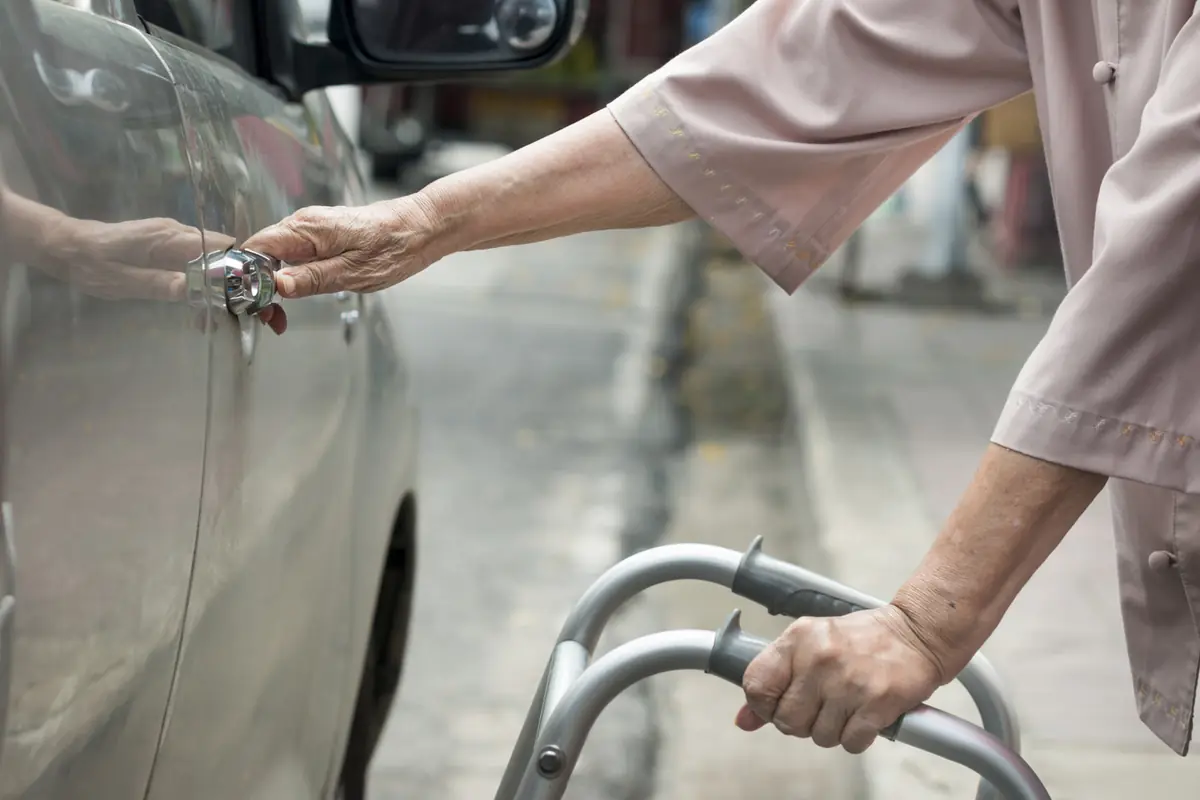
With curb-to-curb transportation, the rider meets the vehicle at the curb or the edge of the driveway at pickup, and is dropped off at the curb outside the destination. The driver handles the drive itself and is there to help the rider into and out of the vehicle, but the walk between the building and the street is the rider's own.
This level suits people who:
- Walk on their own, with or without a cane or walker, and are comfortable with short distances outdoors.
- Can wait at the curb or are able to step out when the vehicle arrives.
- Are going somewhere with a clear, easy entrance close to the drop-off point.
Door to door, explained
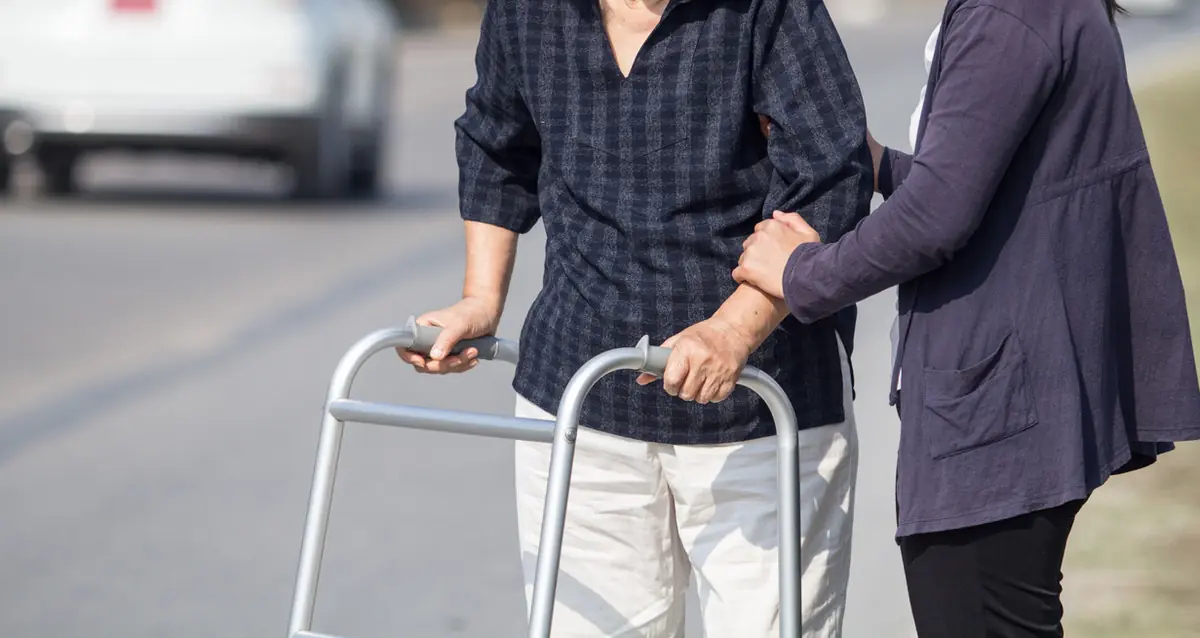
With door-to-door transportation, the driver's help extends beyond the vehicle. In general terms, the driver comes to the door of the pickup location, offers assistance down the walkway, and at the other end helps the rider to the entrance of the building. It is the more hands-on of the two options.
Door to door is often the better match for riders who:
- Are steady inside the home but less confident on steps, slopes or uneven pavement.
- Find it hard to judge when the vehicle has arrived or to get outside on time.
- Are heading to a large building or campus where the entrance is a distance from the street.
- Would simply feel safer with a hand on the way in.
If you are not sure exactly what help is included for a particular address, ask when you book. Our dispatch team would rather answer the question up front than have anyone guessing on the day.
Questions that point to the right choice
Instead of thinking about labels, picture the trip from start to finish. A few honest questions usually settle it:
- How does the rider manage the front steps today? If it is a struggle, lean toward door to door.
- What is the weather likely to be? Ice and rain make the walk to the curb harder. Our post on keeping winter medical rides on schedule has more on this.
- How far is the destination entrance from the drop-off spot? Hospitals and medical office parks can be spread out.
- Will anyone be there to meet them? If a family member will be waiting at the curb on both ends, curb to curb may be all that is needed.
- Has anything changed recently? Someone leaving the hospital may need more help than usual for a while.
Where wheelchair service fits
Wheelchair users have a different set of needs, starting with a vehicle that can safely accommodate the chair. That is why we offer wheelchair-accessible transportation as its own service rather than folding it into curb to curb or door to door. When you request a ride, let us know if the rider uses a wheelchair so we can plan the right vehicle. You can read more about what to expect on a wheelchair-accessible ride in a separate post.
You can choose differently for different trips
The level of help is not a permanent setting. Plenty of riders book curb to curb for a quick visit to a familiar office and door to door for a trip after a procedure, or during a stretch of bad weather. It is fine to tell us that this particular trip needs a little more help than the last one.
What we need from you to book
To set up either type of ride, our team needs the practical details: who is riding, the pickup and drop-off addresses, the date and appointment time, whether a return ride is needed, and the level of help you would like. You do not need to share medical information to book a ride. Information about any added fees is on our pricing page, and anything not covered there is a quick question for our dispatch office.
Book the ride that fits
Once you know which level makes sense, send us a ride request and our dispatch team will call to confirm the pickup and drop-off addresses and time. Still deciding? Call (201) 488-0170 and talk it through with us.