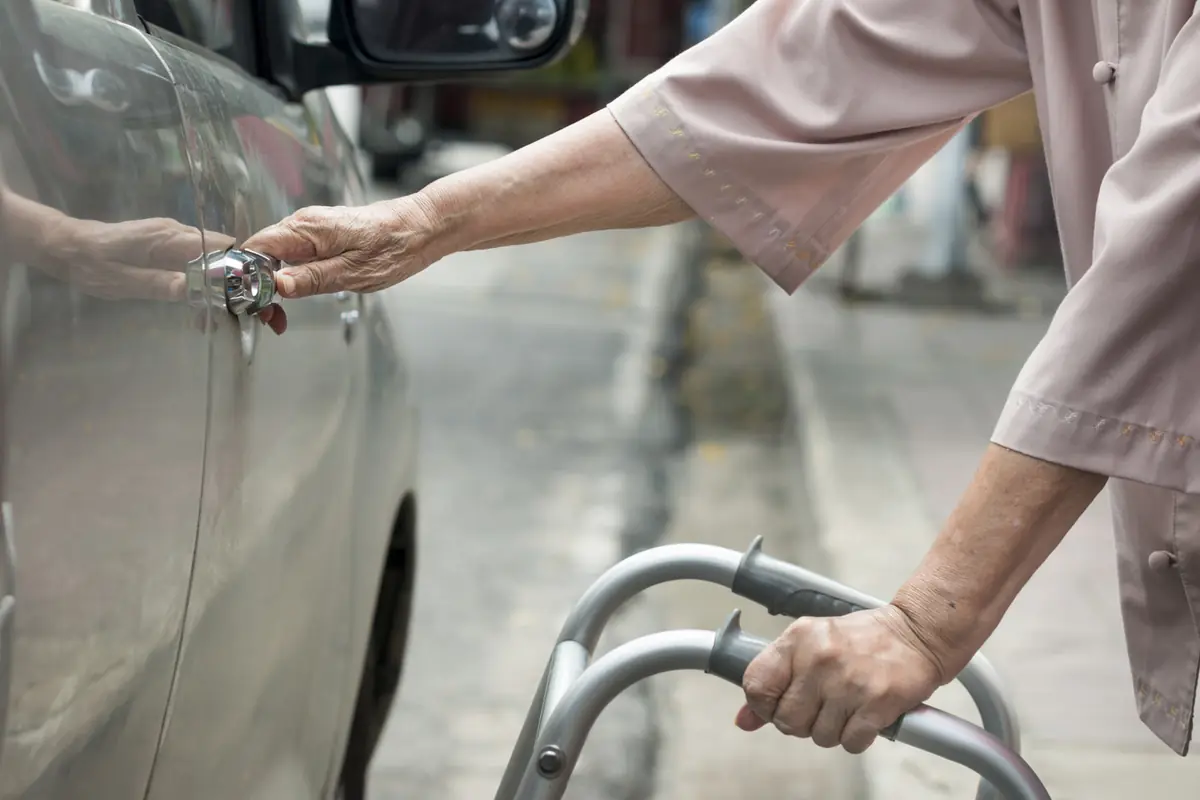
Let us start with the most important sentence in this post: if you think someone is having a medical emergency, call 911. Do not call us, do not book a ride and do not wait. Non-emergency medical transportation is for scheduled trips by people who are stable enough to travel without emergency care. It is never a replacement for an ambulance.
Call 911 for emergencies
Emergency services exist for situations where someone may need urgent medical help. You do not need to be sure it is an emergency to call. If something seems seriously wrong, call 911 and let the dispatcher help you decide. Examples of situations where people call 911 include:
- Chest pain or pressure.
- Trouble breathing.
- Sudden weakness, numbness, confusion, trouble speaking or a drooping face.
- Severe bleeding or a serious injury, including a bad fall.
- Someone who is unresponsive or very hard to wake.
- Any situation where you feel someone's life could be in danger.
This list is not complete. When in doubt, call 911.
For a mental health crisis, the 988 Suicide and Crisis Lifeline is available by call or text. If someone is in immediate danger, call 911.
What non-emergency medical transportation is for
Our non-emergency medical transportation service handles planned trips, such as:
- A doctor's appointment scheduled in advance.
- Recurring trips to dialysis.
- Physical or occupational therapy sessions.
- A ride home from the hospital after the care team has discharged the patient.
- A trip to a surgical center for a planned outpatient procedure.
In each case, the rider is stable, the trip is planned and the destination is known. Our service is transportation, not emergency medical care.
The gray areas
Sometimes a situation does not feel clearly like an emergency, but it does not feel routine either. Someone feels unwell and wonders whether to go to urgent care or the emergency room. In those moments:
- Call the person's doctor or care team for guidance, if the situation allows.
- Call 911 if symptoms are severe, getting worse or you are unsure.
- Do not use a scheduled ride service to get someone to an emergency room when they may need emergency care.
We cannot give medical advice, and we will always direct you to 911 if a call to our dispatch office sounds like an emergency.
What if something happens during a scheduled ride?
If a rider becomes seriously unwell during a trip, the safe course is to contact emergency services. That is the case for any transportation provider that is not an ambulance service.
After an emergency, planned rides take over
Emergencies often lead to a run of planned trips afterward: a ride home from the hospital, follow-up appointments, therapy. That is where we can help. Our guide on preparing for a hospital discharge ride covers the trip home, and our post on recurring rides for ongoing therapy covers what often comes next.
Choosing the right type of planned ride
For scheduled trips, the right service depends on how much help the rider needs. Riders who use a wheelchair can book wheelchair-accessible transportation, and riders who would like assistance between the door and the vehicle can choose door-to-door service. Our post on what NEMT is and who it is for explains more.
A quick way to remember
- Sudden, serious or frightening? Call 911.
- Planned, scheduled and stable? Book a ride with us.
Help emergency responders find you
A few simple steps at home can make an emergency call go more smoothly. Keep the house number clearly visible from the street, day and night. Post a short list near the phone with the home address, the names and numbers of family contacts, and the name of the person's doctor. Many families also keep a current medication list in an easy-to-find spot so it can be handed to responders if they ask. None of this replaces calling 911 quickly; it simply helps once help is on the way.
Booking a scheduled ride
For planned appointments, request a ride online and our dispatch team will call to confirm the pickup and drop-off addresses. Questions about a scheduled trip can go to our dispatch office at (201) 488-0170. For emergencies, always call 911.